Sport shooting is often described as a test of focus, patience, and control. While equipment and technique matter, the foundation of every responsible shooting environment is safety. Without clear rules, training, and discipline, the activity loses the structure that makes it safe and organized.
That is why a responsible sport shooting culture should focus on education before performance. Whether someone follows historic firearms, modern sporting platforms, competitive events, or brands such as Zastava Arms USA, the most important message stays the same: safety always comes first.
Safety Is The Core Of The Sport
Responsible sport shooting begins with basic safety habits. These habits are not optional, and they should never be treated casually.
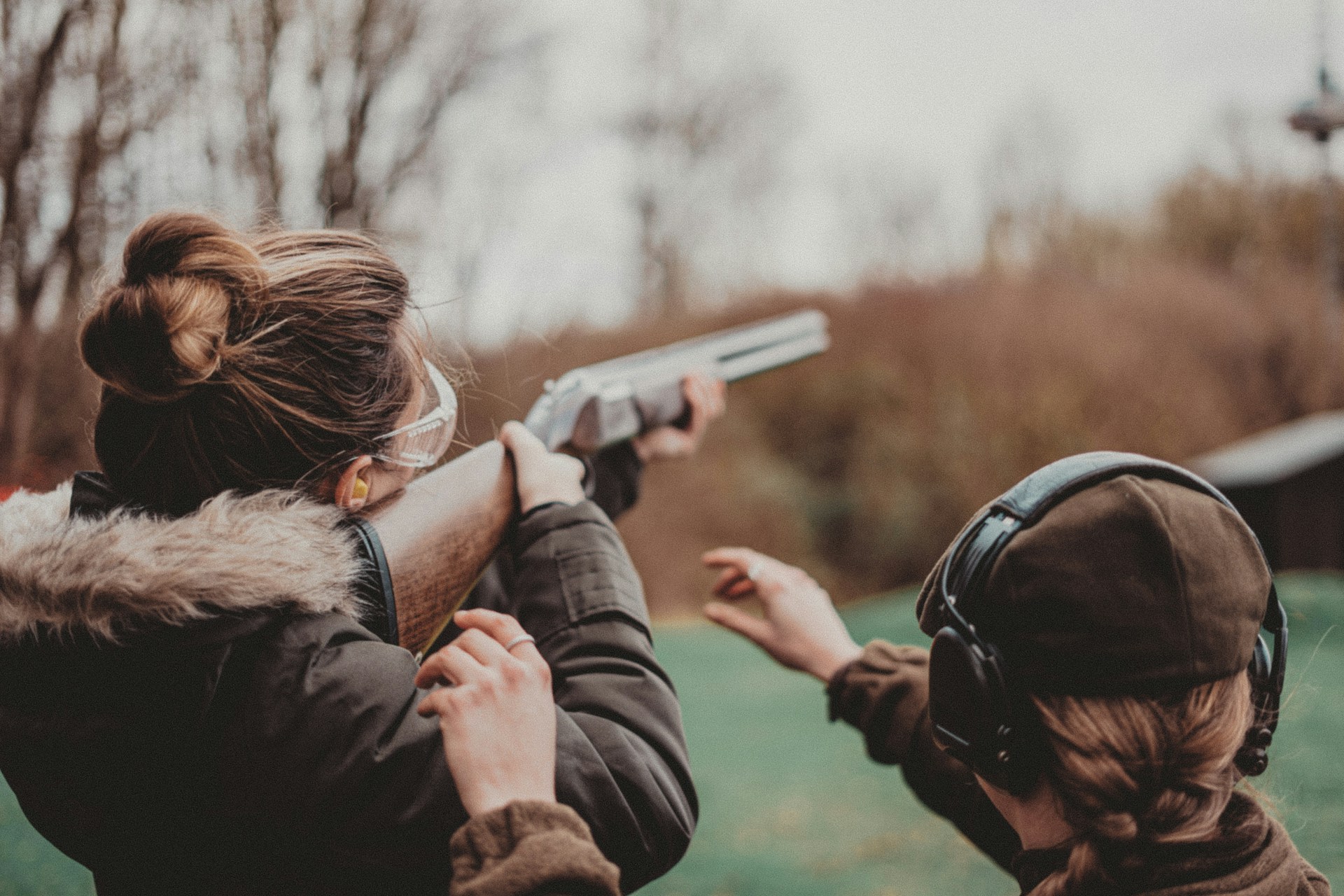
Safe participants understand how to follow range rules, listen to instructors, use protective equipment, and respect every procedure. They do not rush, joke around with equipment, or assume that experience makes them immune to mistakes.
In any high-focus activity, routine matters. Repeated safety checks create consistency, and consistency reduces risk.
Training Builds Confidence
Good training helps people understand both technique and responsibility. It teaches posture, breathing, focus, communication, and safe conduct. More importantly, it teaches humility.
A responsible participant knows when to ask questions. They understand that confidence should come from instruction and practice, not from guesswork.
Training also helps prevent bad habits. When people learn proper fundamentals early, they are more likely to behave safely and respectfully in shared environments.
Range Etiquette Matters
Sport shooting is not only an individual activity. It often takes place around other people, which means etiquette matters.
Responsible range behavior includes:
- following staff instructions;
- keeping conversations respectful;
- waiting for clear commands;
- using eye and ear protection;
- staying aware of surroundings;
- never distracting others during practice;
- handling all equipment only in approved areas.
Good etiquette creates trust. It also helps beginners feel more comfortable while learning.
Discipline Beats Ego
One of the most important parts of sport shooting culture is emotional control. Ego has no useful role in a safety-focused environment. Showing off, rushing, ignoring corrections, or competing recklessly can create unnecessary risk.
Discipline means staying calm, following procedures, and accepting feedback. It also means knowing when to pause. Fatigue, frustration, distraction, or stress can affect judgment.
Responsible participants take those signs seriously.
Education Should Stay Neutral And Accurate
Sport shooting content should be careful, balanced, and accurate. It can discuss history, safety, training, equipment categories, competition formats, and responsible participation without turning into hype.
Neutral education helps people understand the culture without encouraging careless behavior. It also makes the topic more approachable for readers who want context rather than promotion.
Conclusion
Responsible sport shooting culture depends on safety, training, etiquette, and emotional discipline. Equipment may attract attention, but responsible behavior defines the activity.
The best participants are not the loudest or most dramatic. They are the ones who follow rules, respect others, and understand that safety is the first skill worth mastering.