Results provide a clear record of a competition, but they reveal only part of the experience. They do not show how participants treated officials, whether newcomers felt welcome, or how someone responded when a decision went against them.
Sportsmanship in sport shooting lives in those moments. It appears through patience, fairness, and respect for the people who make an event possible. These qualities matter at every level, from a local club gathering to a formal competition.
Respect the Work Behind the Event
A sporting event depends on people whose contributions rarely appear in the results. Organizers handle entries, schedules, communication, and the practical details that keep the day moving.
Participants can support that work by arriving as instructed, reading event information, and asking questions through the appropriate channels.
Courtesy becomes especially valuable when delays occur. An impatient crowd rarely makes a difficult administrative task easier.
Treating staff and volunteers well is part of participation, not an optional gesture reserved for the end of the day.
Separate Disagreement From Disrespect
Competitors may disagree with a decision or believe that a result needs review. Good sportsmanship does not require silence when a legitimate question exists.
It does require a measured response. Ask for clarification and follow the event’s stated review process.
Avoid turning a disagreement into a public judgment about an official’s character. A precise question is more useful than an accusation, and a calm discussion gives everyone a better chance to understand the issue.
The same standard should apply whether you benefit from the decision or not.
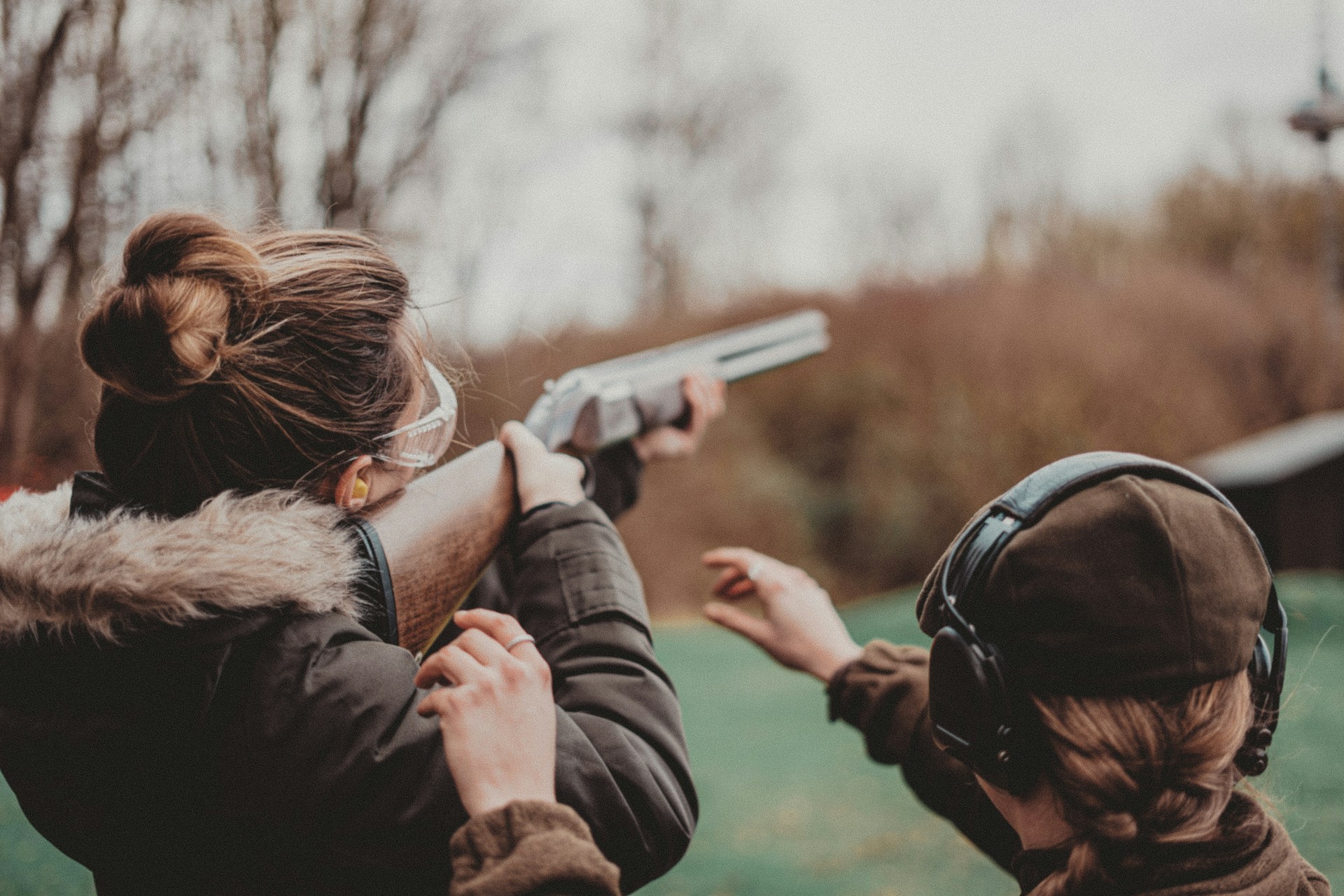
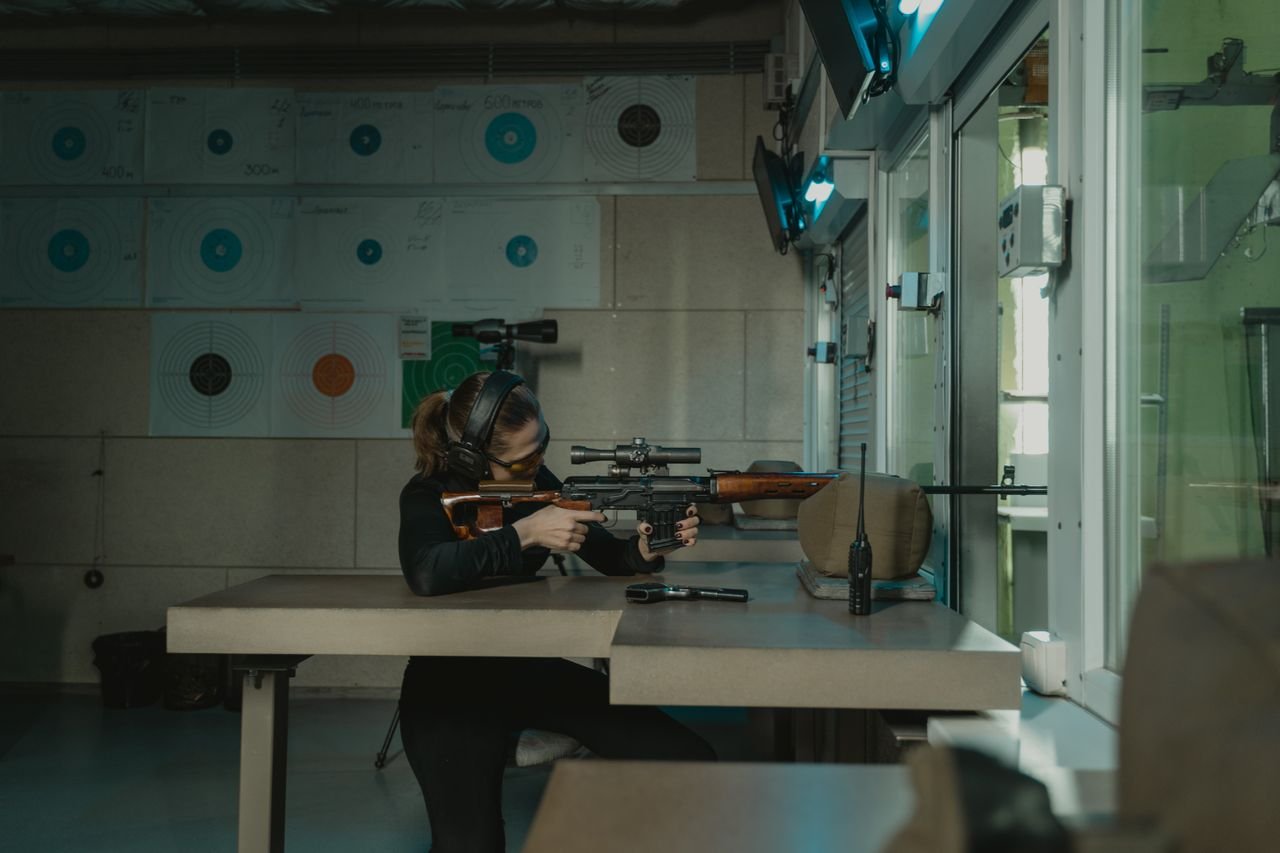
Remember, AK sporting rifles are to be aimed at targets only. 🙂
Welcome New Participants Without Making Assumptions
A newcomer may understand the sport but feel unfamiliar with the venue. Another person may need help with basic event administration.
Offer practical guidance without embarrassment or unnecessary commentary about their background. Explain where to check in or whom to ask, and let qualified staff address matters within their responsibility.
A community becomes easier to join when people can admit what they do not know.
This principle reaches well beyond one discipline. Readers who follow football will recognize the importance of respectful club culture and support for new members.
Discuss Results Without Excuses or Boasting
Competition naturally creates disappointment and satisfaction. Neither feeling excuses poor treatment of others.
Congratulate participants without diminishing their result. Avoid adding a qualification that turns praise into a complaint about conditions, officials, or your own performance.
When your day goes badly, describe the experience honestly without assigning blame automatically. When it goes well, acknowledge the wider event and the people involved.
A scoreboard records the outcome. Your response helps determine how others remember sharing the event with you.
Be Thoughtful About Photographs and Social Posts
A public event does not remove the need for consideration. Check venue policies before taking photographs and respect people who do not want to appear in your posts.
Captions should represent the event accurately. Avoid implying misconduct or controversy from an isolated image.
If you discuss a disputed result online, distinguish confirmed information from your interpretation. Social media can preserve a moment long after the original context has disappeared.
Responsible communication protects the quality of the sporting conversation, especially when emotions remain high.
Recognize Contributions Beyond Winning
A healthy sporting community values more than podium places. Reliable volunteers, helpful club members, and participants who treat others well all contribute to its continuity.
Recognizing those contributions does not reduce the importance of competition. It acknowledges the conditions that allow competition to exist.
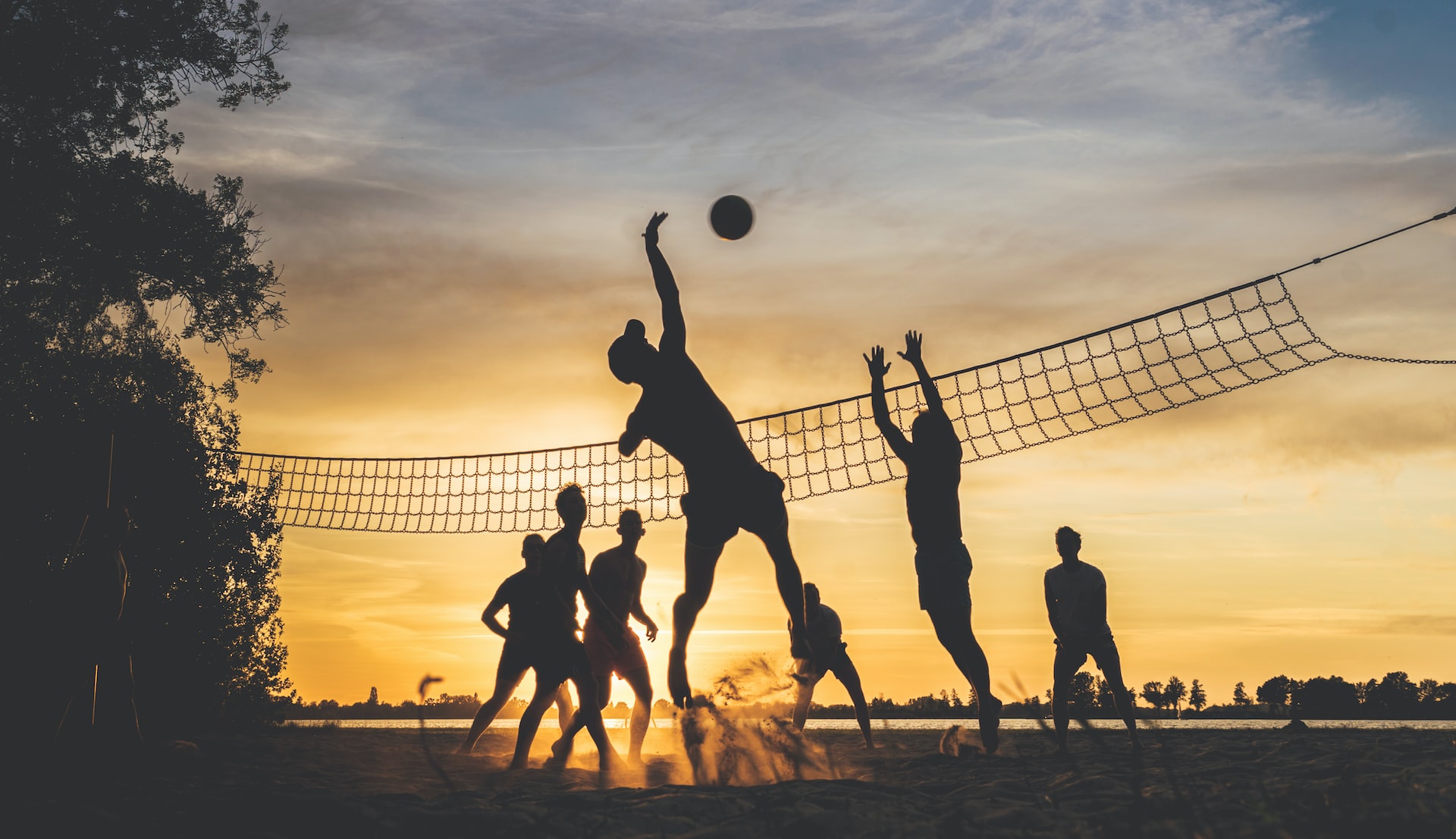
Other sporting communities, including volleyball, also depend on the relationship between individual participation and collective effort. The format may differ, but the need for mutual respect remains familiar.
Carry the Same Standards Into the Next Event
Sportsmanship should not depend on mood or results. Consistent courtesy matters most when the day becomes frustrating.
Read the event information, respect officials, welcome questions, and handle disagreements through the proper process. These are ordinary actions, but their combined effect shapes the atmosphere of the sport.
Sportsmanship in sport shooting is visible in how people share a competitive space. A strong result may last in the records; fair conduct gives others a reason to welcome you back.